
Home › Blog › What Causes Brain Fog — and How to Clear It Naturally
Symptoms & Causes| What it is | Brain fog is everyday cloudy, slow or unfocused thinking — a symptom, not a disease. |
| What causes brain fog | Usually several small triggers stacking up: poor sleep, stress, blood-sugar swings, dehydration and nutrient gaps. |
| How to clear it | Fix the foundations first — sleep, water, balanced meals, movement, screen breaks — then support the gaps with a daily nootropic. |
You sit down to write an email and the words will not line up. A name that lives on the tip of your tongue refuses to arrive. By mid-afternoon your thoughts feel like they are moving through syrup. If that sounds familiar, you are experiencing what most people call brain fog — and the good news is that understanding what causes brain fog is the first, most practical step toward clearing it. This guide walks through the everyday triggers behind a foggy mind and the daily habits, foods and routines that reliably help.
One thing to say up front: brain fog is a description, not a diagnosis. It is your brain flagging that something in your routine or your health needs attention. Most of the time the cause is ordinary and fixable. Occasionally it is not, so if your fog is persistent, worsening, or paired with other symptoms, treat this article as background reading and speak with a qualified clinician.
Because “brain fog” is an informal term, it covers a cluster of related experiences rather than one precise symptom. People tend to describe some mix of the following:
None of these is dramatic on its own. Stacked together, day after day, they quietly erode how capable and confident you feel. That is why it pays to look at the causes honestly rather than shrugging it off as “just getting older.”
Here is the key insight: for most people, brain fog is rarely a single problem. It is several small stresses on the brain stacking up at the same time. Remove or ease a couple of them and the fog often lifts noticeably. These are the usual suspects.
Sleep is when the brain files memories and clears metabolic waste. Skimp on it — or sleep in fragments — and you wake with a processing system that has not finished its overnight housekeeping. Even one short night measurably dents attention and working memory, and the debt compounds across a week. If you only fix one thing on this list, make it a consistent sleep window. We go deeper in our guide to how sleep affects memory and concentration.
A little stress sharpens you; a constant low simmer does the opposite. When the body keeps releasing stress hormones like cortisol, the brain regions you rely on for focus and recall are the ones that struggle first. Fog that shows up during a busy, high-pressure stretch and eases on holiday is almost always stress-driven. Our companion piece on how stress affects memory and mental clarity covers this in detail.
The brain runs on a steady drip of glucose. A refined-carb breakfast or a big, starchy lunch can spike blood sugar and then drop it, taking your concentration down with it — the classic post-lunch slump. Skipping meals swings you the other way. Balanced meals with protein, fibre and healthy fat keep the supply even. If your fog is worst after eating, this is likely a big part of the picture.
The brain is roughly three-quarters water, and it is remarkably sensitive to running low. Even mild dehydration — the kind you barely notice — is linked with reduced concentration and slower thinking. Many people mistake thirst-driven fog for tiredness and reach for coffee, which can nudge them further into a deficit. A glass of water is one of the cheapest fog-clearers there is.
The brain is a hungry organ with specific needs. Shortfalls in vitamin B12 (common in older adults and in those eating less animal food), omega-3 fats, iron and some B-vitamins are all associated with duller thinking and low mental energy. Modern, narrowed diets make these gaps easy to fall into. This is exactly where a food-first diet, topped up with a well-chosen supplement, earns its place.

Movement drives blood flow to the brain; sitting still for hours does the reverse. Add a full day of screens — constant task-switching between tabs, messages and video calls — and attention frays from sheer overuse. Digital overload produces a very modern flavour of fog that has nothing to do with your diet and everything to do with never letting your mind idle.
Fog is a well-recognised part of recovering from many common infections, and it can be a side effect of certain medications, including some antihistamines and sleep aids. Hormonal shifts — around the menstrual cycle, pregnancy or menopause — can also cloud thinking. These causes are real and worth naming, because they are not something better hydration alone will fix; a conversation with your doctor or pharmacist is the right move.
Because the causes overlap, the fixes do too — which is encouraging, because a few good habits address several triggers at once. Build from the foundations up.
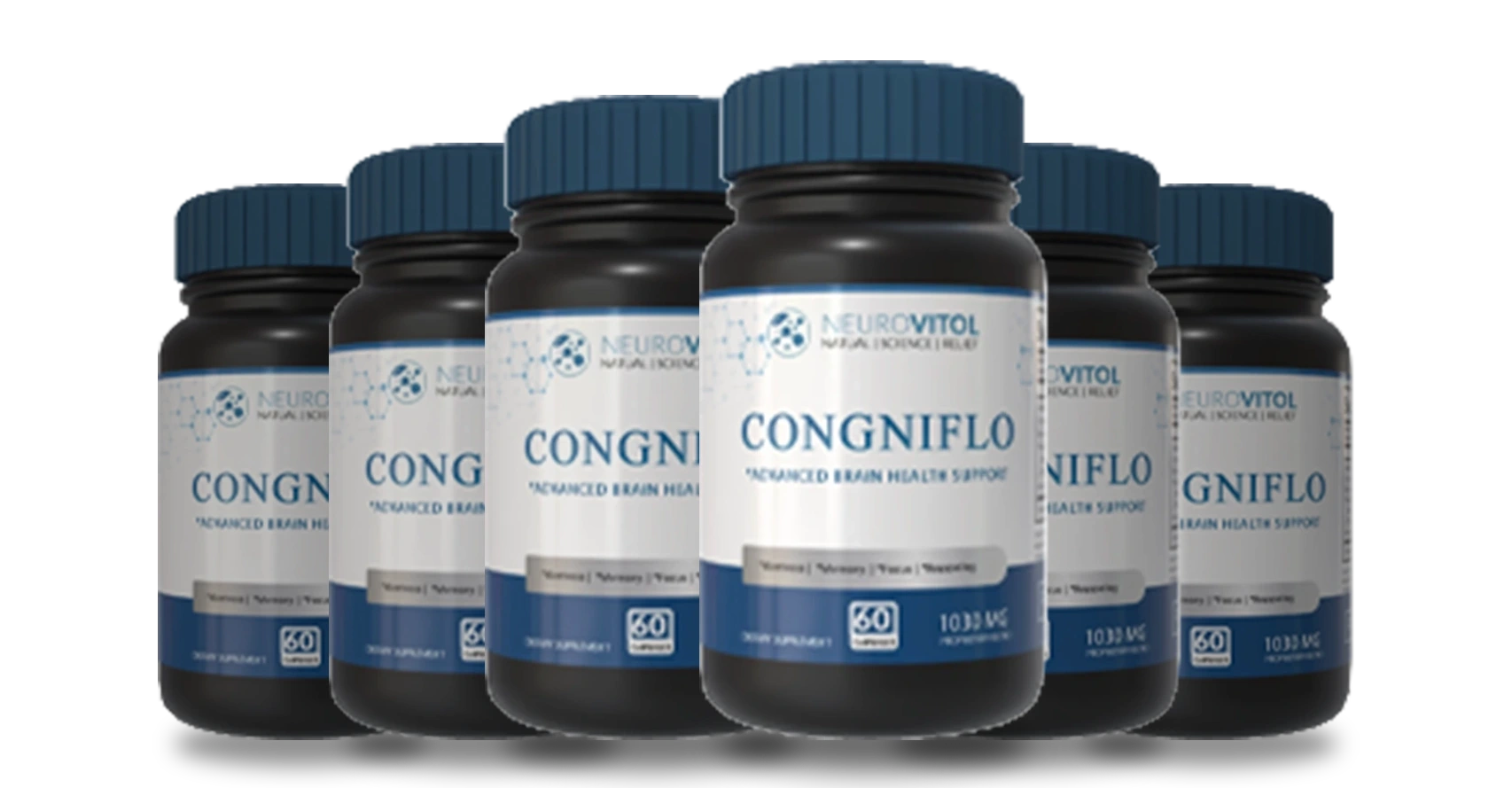
Congniflo brings together ten nootropic and botanical actives — including Bacopa, Lion’s Mane, Ginkgo and B12 — in one easy daily capsule to help cover the nutrient gaps behind a foggy mind. Backed by a 60-day money-back guarantee.
See Congniflo Packages
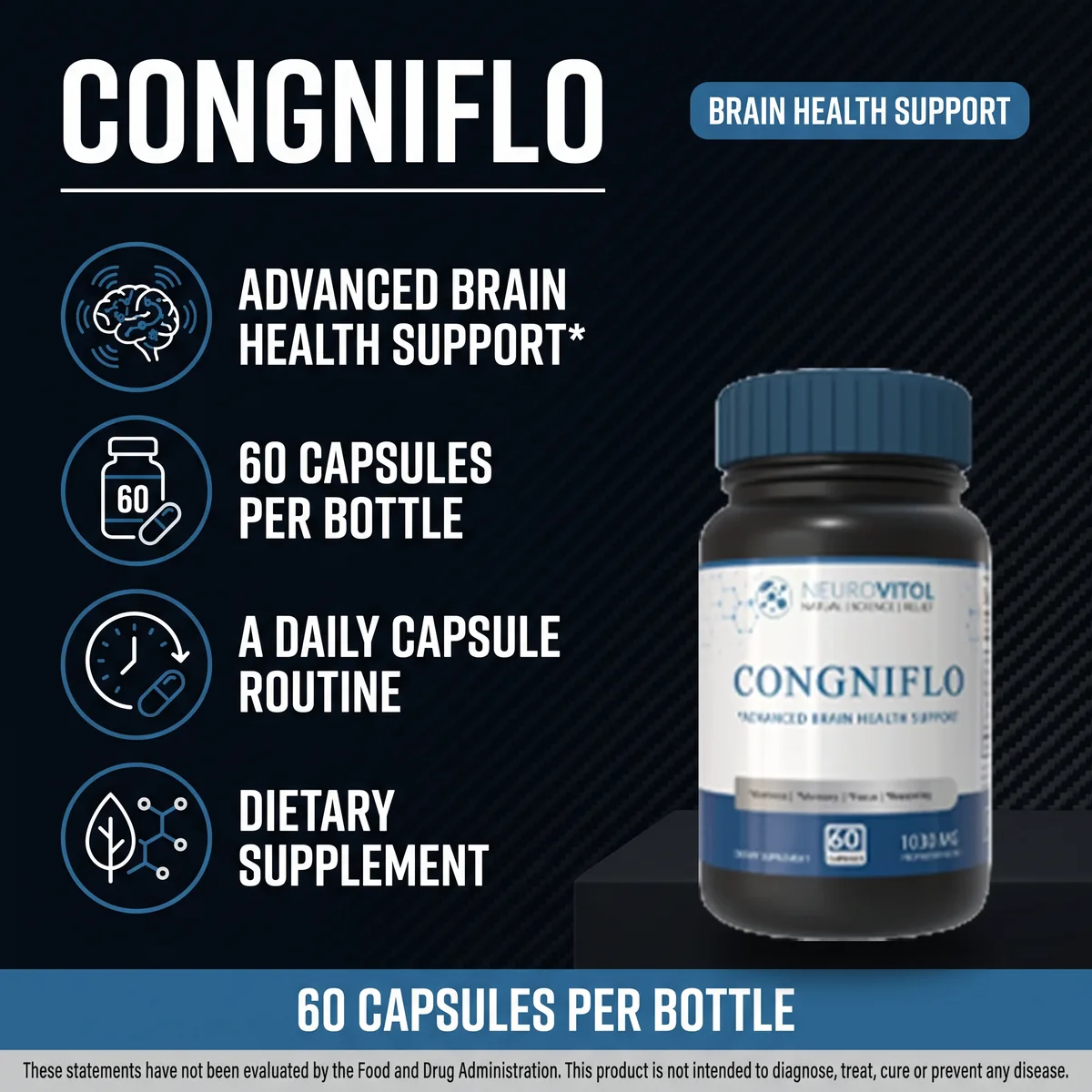
No capsule out-works a broken routine, so the habits above always come first. But once the foundations are in place, a targeted daily nootropic is a sensible way to help cover the recurring nutrient gaps — B12, botanicals traditionally used for memory and circulation, and adaptogens for mental stamina — that quietly feed brain fog. That is the thinking behind Congniflo: rather than juggling a shelf of separate bottles, you get ten well-chosen actives in a single capsule you will actually remember to take. For a broader overview, our guide on how to support memory, focus and mental clarity naturally ties the nutrients and habits together.
Because these effects build gradually, consistency beats intensity. Choose a routine you can keep, give it a fair trial of several weeks, and judge it against how clear and steady your thinking feels — not against a single good or bad afternoon.
For most people brain fog is not one problem but several small ones stacking up: poor or short sleep, chronic stress, blood-sugar swings from a heavy or skipped meal, dehydration, and nutrient gaps such as low vitamin B12 or omega-3. Illness recovery, certain medications and hormonal changes can add to it. Because the causes overlap, the fix is usually a handful of daily habits rather than a single switch.
Start with the foundations: protect a consistent sleep window, drink water through the day, eat balanced meals that steady blood sugar, move your body, and take short screen breaks. Managing stress with breathing or a walk outdoors helps too. A food-first diet plus a targeted daily nootropic can help cover common nutrient gaps.
Occasional fog tied to a bad night’s sleep or a stressful week usually lifts within a day or two once the trigger passes. Fog that lingers for weeks despite good habits, or that comes with other symptoms, is worth discussing with a healthcare professional, since it can have medical causes this article does not cover.
No. Brain fog is an everyday description of cloudy, slow or unfocused thinking — not a diagnosis. It is a signal that something in your routine or health needs attention. If it is persistent or worsening, see a qualified clinician to rule out underlying causes.
The Congniflo Research Team is an independent group of nutrition and brain-health writers who translate peer-reviewed research and public-health guidance into plain, practical advice. We read the source material, cite it, and keep our articles free of hype and disease claims. Our aim is simple: help you make calm, informed choices about supporting your mind every day. This article is educational and is not a substitute for personalised medical advice.
† These statements have not been evaluated by the FDA. This product is not intended to diagnose, treat, cure or prevent any disease. This article is for general information only and is not medical advice.