
Home › Blog › The Best Foods for Brain Health and Memory
Foods & Lifestyle| The idea | What you eat feeds how you think — the best foods for brain health supply omega-3s, antioxidants, B-vitamins and steady energy. |
| Top picks | Leafy greens, berries, oily fish, walnuts, olive oil, eggs, pulses and a little dark chocolate. |
| The habit | Eat a colourful, whole-food plate most days; top up common gaps like omega-3 and B12 with a daily nootropic. |
Your brain is only about two per cent of your body weight, yet it burns roughly a fifth of your daily energy. It never clocks off, and every thought, memory and moment of focus is built from the raw materials you give it at the dinner table. That is why the question “what are the best foods for brain health?” is far from trivial — the evidence that a good diet supports memory, mood and long-term cognitive health is some of the strongest in all of nutrition science.
The encouraging part is that eating for your brain is neither expensive nor complicated. There is no single miracle food and no need for obscure powders. It comes down to a handful of everyday whole foods, eaten regularly, in colourful variety. Let us walk through the best foods for brain health and memory, why each one earns its place, and how to string them together into a routine you will actually keep.
Three things the brain depends on come straight from your plate. First, structure: brain-cell membranes are built largely from fats, and omega-3s in particular keep those membranes flexible and communicative. Second, protection: the brain’s high metabolism generates a lot of oxidative stress, and dietary antioxidants help mop it up. Third, fuel and messengers: steady glucose plus B-vitamins, choline and minerals keep the brain’s signalling chemistry running smoothly. Get those three right and you have covered most of what a brain-healthy diet is trying to do.
None of these is exotic. That is the point — the best foods for brain health are ordinary foods eaten with intention.
Spinach, kale, rocket and other greens are among the most consistently brain-protective foods in the research. They deliver folate, vitamin K, lutein and nitrates, and studies of older adults link a daily serving of greens with noticeably slower age-related decline in thinking. Aim for a handful most days — in a salad, wilted into eggs, or blitzed into a soup.
Blueberries, strawberries and blackberries are packed with flavonoids, the plant pigments behind their deep colour. These antioxidants are associated with better memory and are thought to support communication between brain cells. Frozen berries count and are cheaper, so there is no excuse to skip them out of season.
Salmon, sardines, mackerel and trout are the headline source of the long-chain omega-3 fats DHA and EPA — the very fats that make up so much of the brain. Two servings a week is the commonly cited target. If you rarely eat fish, this is one of the clearest gaps a supplement can help fill.
Walnuts stand out for their plant omega-3 content, and nuts generally supply vitamin E, an antioxidant linked with better cognitive ageing. A small daily handful — not a whole bag — is the sweet spot for a satisfying, brain-friendly snack.
The cornerstone fat of the Mediterranean diet is rich in monounsaturated fats and polyphenols. Diets built around olive oil are repeatedly associated with better cognitive outcomes. Use it as your everyday oil for dressings and gentle cooking.
Eggs are one of the best food sources of choline, a nutrient the body uses to make acetylcholine — a messenger closely tied to memory and focus. They also provide quality protein and several B-vitamins, making them a genuinely brain-friendly breakfast.
Oats, brown rice, quinoa, lentils and beans release their energy slowly, keeping blood sugar — and therefore concentration — on an even keel. Swapping refined white carbs for these is one of the simplest ways to smooth out the mid-afternoon dip. They are also the main source of the fibre your gut bacteria live on, which is one more reason gut health affects memory and focus.
Good news to finish on: cocoa is rich in flavanols, and a small square of dark chocolate (70% or higher) is a legitimate, brain-friendly treat. The emphasis, as ever, is on small.
What you eat less of matters just as much. Diets heavy in ultra-processed foods, added sugar, refined carbohydrates and excess alcohol are consistently tied to poorer cognitive outcomes — partly through blood-sugar swings and partly through low-grade inflammation. You do not need to be perfect. The goal is to make whole foods the everyday default and treats the genuine exception, not the other way round.
Here is how the best foods for brain health come together without any calorie-counting:
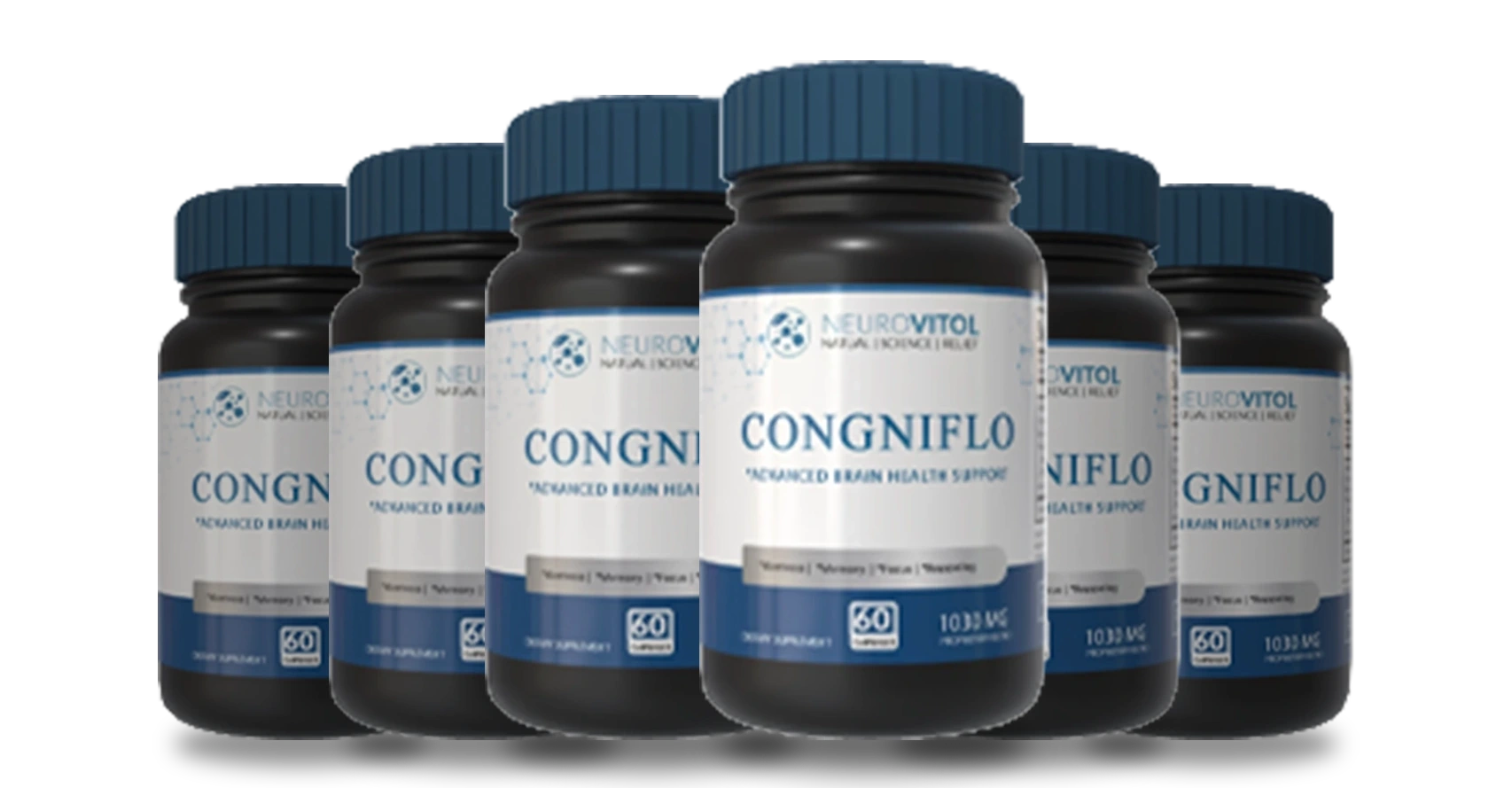
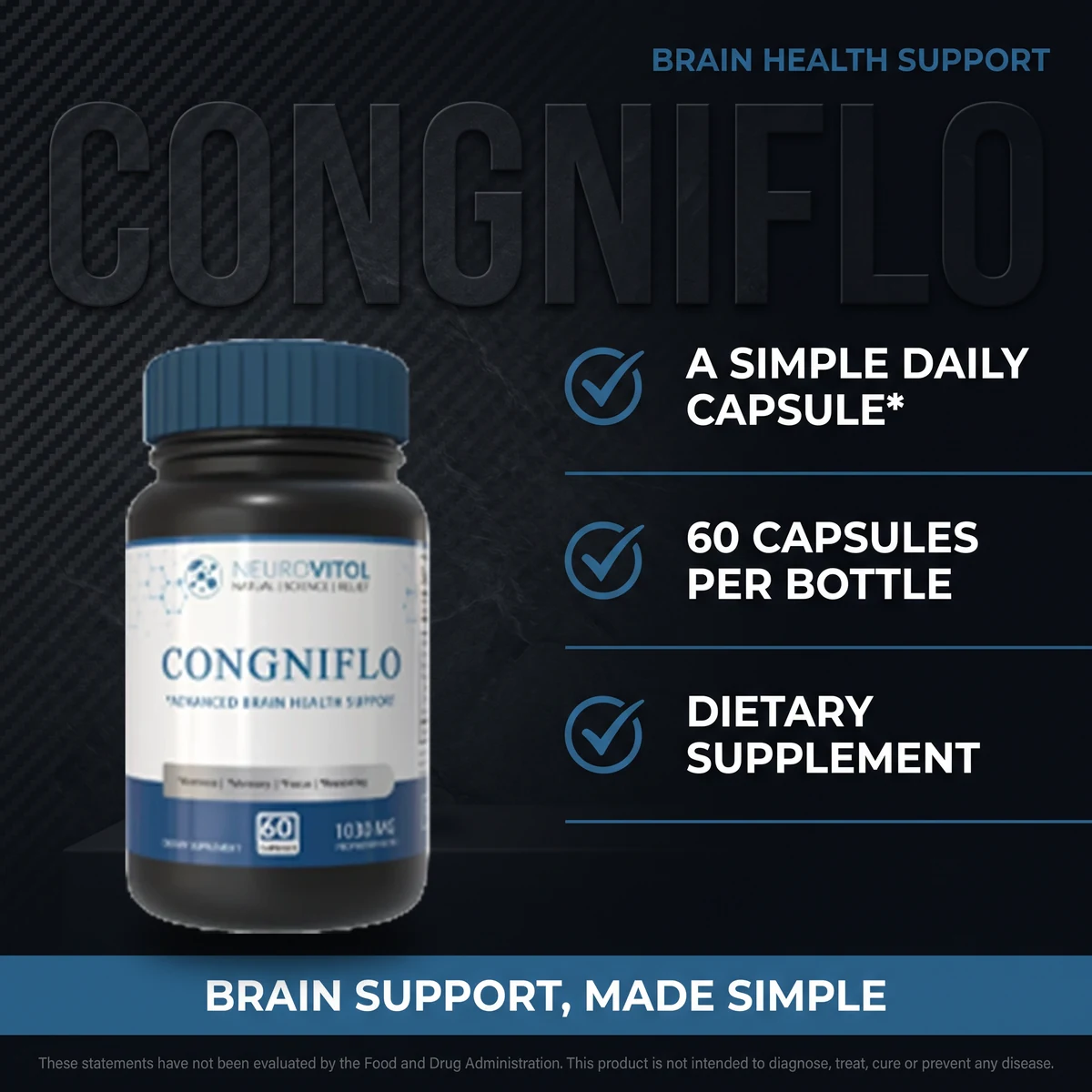
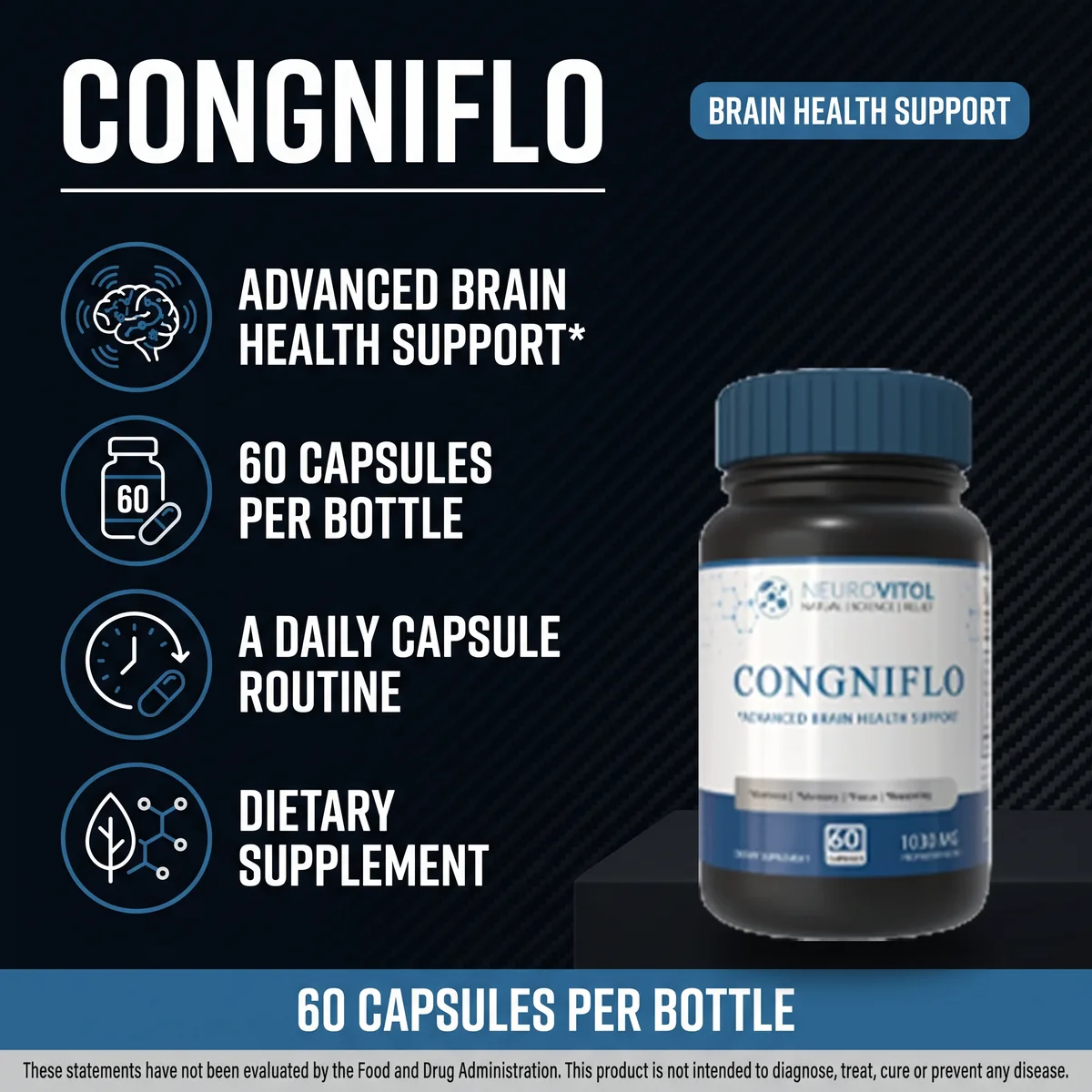
Even a good diet leaves gaps — omega-3 and vitamin B12 are common ones. Congniflo puts ten nootropic and botanical actives into one daily capsule to help round out your nutrition, backed by a 60-day money-back guarantee.
See Congniflo Packages
Food always comes first — no capsule replaces a colourful plate. But real diets have real gaps. People who rarely eat oily fish miss out on omega-3; many older adults absorb less vitamin B12; and few of us hit every micronutrient every day. A targeted daily nootropic such as Congniflo is a practical way to top up those recurring shortfalls, combining nutrients and traditional botanicals for memory and focus in a single capsule. For the bigger picture on habits and nutrients together, see our guide on how to support memory, focus and mental clarity naturally.
Think in seasons, not days. Steadier blood sugar can sharpen your focus within a week, but the deeper benefits of an antioxidant- and omega-3-rich diet accumulate over months and years. Consistency is the whole game.
Some of the most researched brain-friendly foods are leafy greens, berries, oily fish like salmon and sardines, walnuts and other nuts, extra-virgin olive oil, eggs, pulses and whole grains, plus a little dark chocolate. They supply the omega-3 fats, antioxidants, B-vitamins and steady energy the brain uses every day. Eating a colourful variety matters more than any single ‘superfood’.
Diets high in ultra-processed foods, added sugar, refined carbohydrates and excess alcohol are consistently linked with poorer cognitive outcomes. They cause blood-sugar swings and promote inflammation. You do not need to be perfect — the goal is to make whole foods the everyday default and treats the exception.
Diet is one of the strongest levers you have, but it works alongside sleep, movement, stress management and lifelong learning. A whole-food diet plus a targeted daily nootropic can help cover common gaps such as omega-3 and vitamin B12, especially as needs change with age.
Steadier blood sugar can improve day-to-day focus within days, while the antioxidant and omega-3 benefits build over months and years of consistent eating. Think of it as a long-term investment in your mind rather than an overnight fix.
The Congniflo Research Team is an independent group of nutrition and brain-health writers who turn peer-reviewed research and public-health guidance into clear, practical advice. We cite our sources, avoid hype, and never make disease claims. Our goal is to help you make calm, well-informed choices about feeding and supporting your mind. This article is educational and does not replace personalised advice from a qualified professional.
† These statements have not been evaluated by the FDA. This product is not intended to diagnose, treat, cure or prevent any disease. This article is for general information only and is not medical advice.