
Home › Blog › How Sleep Affects Memory and Concentration
Causes & Lifestyle| The link | Sleep is when the brain files memories and clears waste — so how sleep affects memory is direct and powerful. |
| Poor sleep | Leaves that overnight filing unfinished, causing forgetfulness, patchy focus and brain fog the next day. |
| The habit | Protect a consistent 7–9 hour window; support the days with movement, good food and a daily nootropic. |

Ask anyone how they think after a broken night and the answer is the same: slow, scattered, forgetful. That is not your imagination. Of all the levers you can pull for a sharper mind, sleep may be the single most powerful — and understanding how sleep affects memory and concentration turns a vague sense of “I’m tired’ into a set of habits you can actually act on. This guide explains what your brain does while you sleep, why cutting it short causes forgetfulness and fog, and how to build nights that leave you clear-headed.
Sleep is not downtime. It is one of the busiest, most important stretches of your brain’s day — a nightly maintenance shift without which nothing else in your routine works as well as it should.
Sleep runs in cycles of roughly ninety minutes, moving through light sleep, deep slow-wave sleep, and REM (rapid-eye-movement) sleep. Each stage has a job, and two of them matter enormously for the mind.
During deep slow-wave sleep, the brain replays and strengthens the day’s experiences, moving fragile new information from short-term holding into more durable long-term storage. This process, called consolidation, is a big part of how sleep affects memory: skip the deep sleep and much of what you learned that day never gets properly filed. It is why cramming all night backfires and why a good night before an exam or presentation beats one more hour of revision.
REM sleep — when most dreaming happens — helps the brain process skills, emotions and creative connections, weaving new information into what you already know. Miss out on REM, which tends to cluster in the later hours of the night, and you lose some of the brain’s best problem-solving and emotional-reset work.
While you sleep, the brain also clears metabolic waste that accumulates during waking hours. Think of it as the cleaning crew that can only work once the building is empty. Regularly cutting sleep short means that housekeeping is never quite finished — a plausible reason chronic sleep loss is linked with duller thinking over time.
Put those functions together and the morning-after experience makes complete sense. When you under-sleep, the brain both fails to lay down new memories properly and struggles to retrieve old ones, so names and details slip away. Attention becomes patchy and easily derailed. Processing speed drops, so simple tasks feel effortful. And sleep loss nudges up stress hormones, which further clouds thinking — a link we explore in how stress affects memory and mental clarity. The result is the classic day-after cocktail: forgetful, unfocused and foggy. It is one of the most common causes behind the symptoms in our guide to what causes brain fog and how to clear it naturally.
It helps to separate the short-term hit from the long game. A single poor night mainly dents the next day: slower reactions, patchier attention and weaker recall that a good sleep usually reverses. This kind of slip is normal and nothing to worry about. The bigger concern is chronic short sleep — night after night of too little — which never lets the brain finish its overnight consolidation or clean-up. Over months and years, consistently skimping on sleep is associated with duller day-to-day thinking, so the goal is a routine you can sustain rather than the occasional heroic early night after a run of late ones.
Most adults do best with seven to nine hours a night. But hours are only half the story — quality and consistency matter just as much. Fragmented sleep, or wildly different bed and wake times, robs you of the deep and REM stages even if the total looks fine on paper. As we age, sleep naturally becomes lighter and more easily disturbed, which makes a steady routine more valuable, not less.
Good sleep is built during the day as much as at night. These habits are the highest-leverage things you can do.

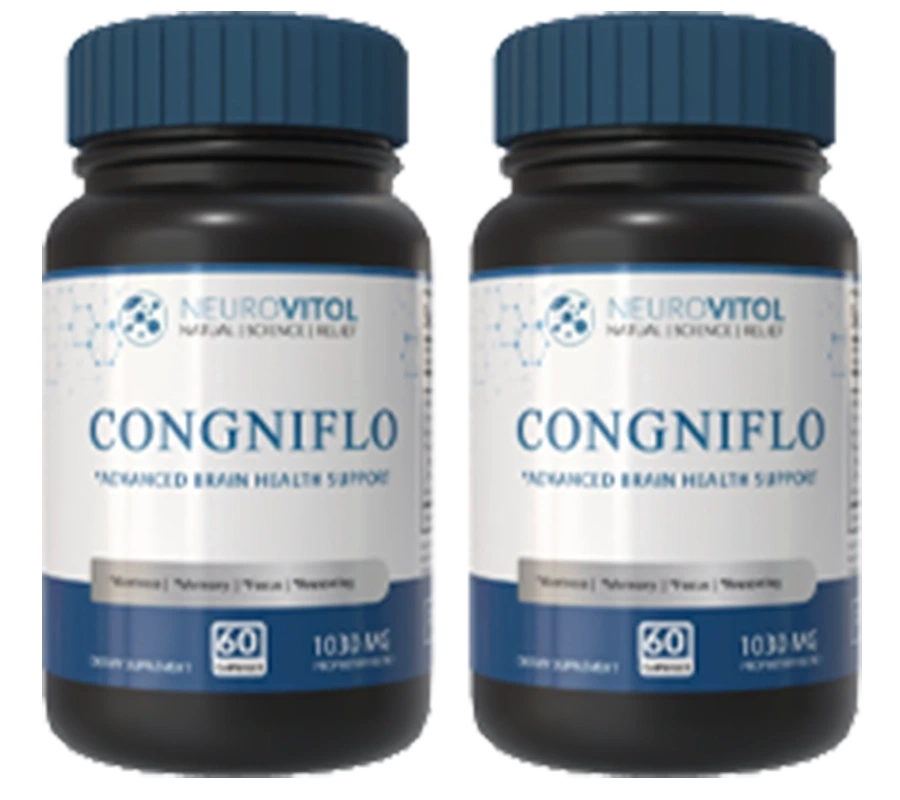
Great sleep is the foundation. Congniflo complements it with ten nootropic and botanical actives in one daily capsule — a simple way to support memory and focus while your habits do the heavy lifting. Backed by a 60-day money-back guarantee.
See Congniflo PackagesLet us be clear: no supplement replaces sleep. If you take away one thing from how sleep affects memory, let it be that protecting your nights is the first and biggest move. That said, once your sleep routine is solid, a targeted daily nootropic can help support the mechanisms your good nights are already working on — supplying nutrients like B12 and traditional botanicals for memory and mental stamina. That is the idea behind Congniflo: ten well-chosen actives in one capsule, so the routine is easy to keep. For the wider picture, see our overview of how to support memory, focus and mental clarity naturally.
If you sleep well night after night and still feel persistently foggy or forgetful, or if you snore heavily, wake gasping, or cannot stay asleep, speak with a healthcare professional. Some sleep problems have medical causes that good habits alone will not resolve.
During sleep the brain consolidates the day’s learning — moving new information into longer-term storage — and clears metabolic waste that builds up while you are awake. Deep slow-wave sleep is especially important for factual memory, and REM sleep for skills and emotional processing. Cut sleep short and this overnight filing is left unfinished, which is why recall suffers after a bad night.
Without enough sleep, the brain struggles both to lay down new memories and to retrieve old ones, and attention becomes patchy. Sleep loss also raises stress hormones and slows processing speed. The result is the familiar combination of forgetfulness, poor concentration and mental fog the day after.
Most adults do best with seven to nine hours a night. Quality and consistency matter as much as quantity — regular bed and wake times help the brain get enough deep and REM sleep. Older adults often sleep more lightly, which makes a steady routine even more valuable.
Good sleep hygiene is the foundation and nothing replaces it. Some nutrients and botanicals are traditionally used to support relaxation and healthy brain function, and a food-first diet plus a targeted daily nootropic can help cover nutrient gaps. Any persistent sleep problem is worth raising with a healthcare professional.
The Congniflo Research Team is an independent group of nutrition and brain-health writers who translate peer-reviewed research and public-health guidance into plain, practical advice. We cite our sources, steer clear of hype, and never make disease claims. Our mission is to help you make calm, informed choices about supporting your mind every day. This article is educational and is not a substitute for personalised medical advice.
† These statements have not been evaluated by the FDA. This product is not intended to diagnose, treat, cure or prevent any disease. This article is for general information only and is not medical advice.