
Home › Blog › Does Multitasking Hurt Your Memory and Focus?
Symptoms & Lifestyle| The answer | Yes — for focused work, multitasking hurts memory and focus, because the brain switches rather than truly parallel-processes. |
| The cost | Every switch drains time and attention and leaves “residue” on the last task, so recall suffers and errors climb. |
| The habit | Single-task in blocks, silence notifications, batch small jobs — and support attention with sleep, movement and a daily nootropic. |
We wear it like a badge of honour: replying to messages during a meeting, cooking with a podcast on while helping with homework, flipping between a dozen browser tabs. It feels efficient, even impressive. So it comes as a surprise to learn that, for anything that requires real thought, the opposite is true. Does multitasking hurt your memory and focus? The research is remarkably consistent: yes, it does. This guide explains why the brain cannot genuinely do two demanding things at once, how constant switching quietly erodes attention and recall, and the single-tasking habits that make you both sharper and, counterintuitively, faster.
The reassuring part is that this is a habit, not a hardwired flaw. Once you understand what multitasking actually does to the mind, the fix is simple to grasp and very much within your control.
Start with the core misunderstanding. When a task is automatic — walking, folding laundry — you really can pair it with something else, because it needs almost no attention. But two tasks that both demand focus draw on the same limited pool of working memory and attention, and that pool cannot be in two places at once. So the brain does the only thing it can: it switches, rapidly, back and forth. What you experience as multitasking is really high-speed task-switching, and switching is not free.
Every time you flip from one task to another, the brain has to disengage from the first, load up the rules and context of the second, and get going again. Each switch costs a fraction of a second and a little accuracy. Do it a handful of times and it is trivial; do it hundreds of times an hour, as many of us do, and those fractions add up to a meaningfully slower, more error-prone day.
Worse, the switch is never clean. When you jump to a new task, part of your mind stays snagged on the last one — a phenomenon researchers call “attention residue”. You arrive at task B still partly thinking about task A, so you are never giving either your full mind. This is why work done in a flurry of switching often feels strangely unsatisfying and turns out patchy on a second look.
Focus and memory are joined at the hip: to remember something, you have to attend to it properly in the first place. Memory formation — encoding — needs a moment of concentrated attention at the point of learning. Split that attention across tasks and the information is recorded faintly or not at all.
This is the mechanism behind so many everyday memory slips. You read a page while half-listening to a conversation and retain none of it. Someone tells you their name as you glance at your phone, and it is gone a second later. You put your keys down mid-text and cannot find them. None of this means your memory is failing — it means your attention was divided at the exact moment memory needed it. It is one of the most common, and most fixable, reasons behind the feeling we explore in why am I so forgetful lately.
Multitasking is not new, but the smartphone has poured petrol on it. A buzzing phone invites a switch every few minutes, and even a silent phone sitting on the desk quietly pulls at your attention. Media multitasking — flitting between apps, tabs, messages and video — is associated in research with greater distractibility and weaker performance on attention and memory tasks. We go deeper into that in does too much screen time affect focus and memory; here the key point is that the device is the single biggest source of the switching that drains your mind.
The antidote is almost embarrassingly simple: do one thing at a time. Give a task your whole attention, finish it or reach a natural pause, then move on. Done consistently, single-tasking lowers your error rate, deepens memory, and usually gets the work done faster than juggling ever did. Here is how to build it in without feeling like a monk.
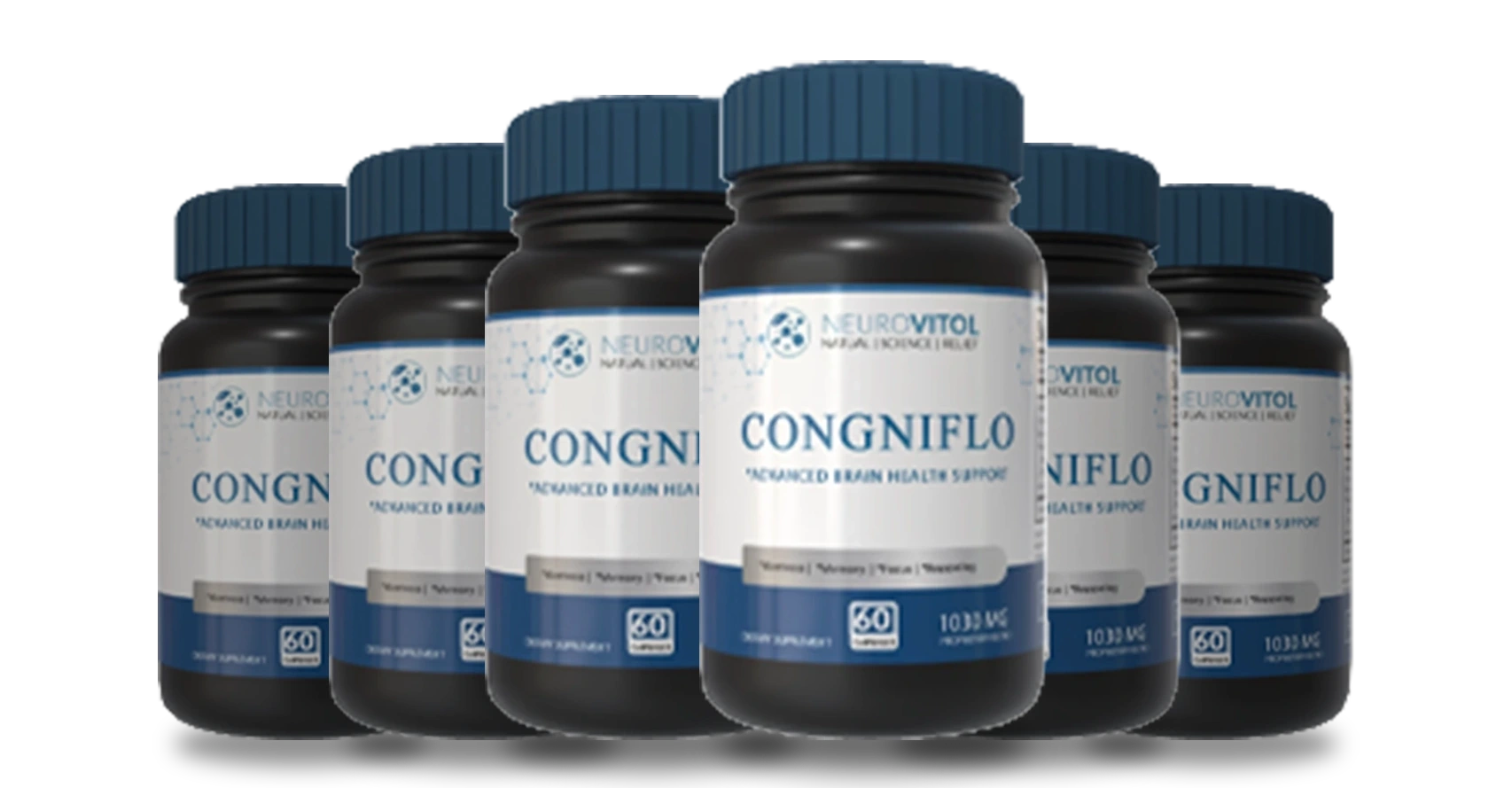
Good habits do the heavy lifting; the right nutrients help you hold focus longer. Congniflo brings ten nootropic and botanical actives into one daily capsule to support everyday memory, focus and mental clarity — backed by a 60-day money-back guarantee.
See Congniflo PackagesIf single-tasking were purely a matter of trying harder, none of us would struggle. But the pull to switch is stronger when your attention is already depleted — when you are tired, stressed, dehydrated or running on a blood-sugar crash. On those days the smallest ping is irresistible. That is why the deeper fix is to look after the machinery of attention itself: sleep well, so the brain restores its focus each night; move your body, which sharpens concentration, as we cover in how exercise improves memory and focus; keep your energy steady; and manage stress. Do those, and single-tasking stops feeling like a fight.
No supplement can make multitasking work — the switching cost is built into how the brain is wired. The real gains come from the habits above. But once your routine supports focus, a targeted daily nootropic can help back up the mechanisms behind attention and mental stamina, supplying nutrients like B12 and traditional botanicals in one convenient capsule. That is the idea behind Congniflo: ten well-chosen actives so a focused routine is easy to keep. For the wider picture, see how to support memory, focus and mental clarity naturally.
If you find focus genuinely impossible to hold no matter what you try, or you have struggled with attention your whole life, that is worth discussing with a healthcare professional — sometimes there is a specific cause that good habits alone will not address.
Yes. For demanding mental work the brain cannot truly do two things at once; it rapidly switches between them, and each switch carries a small cost in time and accuracy. This constant switching fragments attention, leaves less capacity for forming memories, and increases errors. People who multitask heavily tend to perform worse on tests of memory and focused attention, not better.
Focused, effortful tasks draw on the same limited pool of attention and working memory, so they compete rather than run in parallel. What feels like multitasking is really fast task-switching, and each switch leaves “attention residue” — part of your mind still stuck on the previous task. Only truly automatic activities, like walking while chatting, can genuinely overlap.
Forming a lasting memory needs focused attention at the moment of learning. When you split attention across tasks, information is encoded shallowly or not at all, so you forget what you just read, miss what someone said, or lose track of where you were. Divided attention is one of the most common everyday reasons people feel forgetful.
For most focused work, yes. Doing one thing at a time reduces switching costs and errors, and the work is usually finished faster and to a higher standard than when juggling. Techniques like time-blocking, silencing notifications and batching similar small tasks let you capture the benefits of single-tasking without feeling rigid.
Heavy media multitasking — flipping between apps, tabs, messages and video — is associated in research with more distractibility and poorer performance on attention and memory tasks, though whether it causes the pattern or reflects it is still debated. Either way, deliberately reducing constant switching tends to help focus, and the habit is very much within your control.
The Congniflo Research Team is an independent group of nutrition and brain-health writers who translate peer-reviewed research and public-health guidance into plain, practical advice. We cite our sources, steer clear of hype, and never make disease claims. Our mission is to help you make calm, informed choices about supporting your mind every day. This article is educational and is not a substitute for personalised medical advice.
† These statements have not been evaluated by the FDA. This product is not intended to diagnose, treat, cure or prevent any disease. This article is for general information only and is not medical advice.