
Home › Blog › Does Screen Time Affect Focus and Memory?
Symptoms & Lifestyle| The answer | Does screen time affect focus and memory? Heavy, fragmented use can — mostly by scattering attention, shallowing multitasking and stealing sleep. |
| The real culprit | It is not screens themselves but constant switching, notifications and late-night use that wear down concentration and recall. |
| The fixes | Mute alerts, single-task, take screen breaks, stop screens before bed — plus movement, hydration and daily nootropic support. |

We check our phones dozens of times a day, work across a dozen browser tabs, and unwind in the evening by scrolling one more feed. It is little wonder so many of us feel our attention span shrinking and our memory getting patchier. So does screen time affect focus and memory? The honest answer is nuanced: screens are not poison, and the device in your pocket is one of the most useful tools ever invented. But how we use screens — endlessly, all at once, and late into the night — can quietly chip away at the two mental abilities we prize most.
Let us separate the myth from the mechanism: what heavy screen use really does to the brain, which effects the evidence actually supports, and the practical daily habits that let you keep the benefits of your devices while protecting your concentration and recall.
Most of the impact of screens on the mind is indirect. Screens rarely damage the brain; instead, the way we use them crowds out the conditions that focus and memory need to thrive. There are four main routes.
The defining feature of modern screen use is interruption. A notification here, a new tab there, a quick check of a message mid-task — each one yanks your attention away and forces your brain to reload what it was doing. This rapid task-switching is mentally expensive and tiring, and done all day it trains attention to skip rather than settle. Over time, sustained, deep focus — the kind that hard thinking requires — starts to feel unnatural and uncomfortable. If your concentration tends to collapse as the day wears on, our guide to why you lose focus in the afternoon shows how this stacks with your body clock.
Memory is not a recording; it is built by attention. To remember something, you first have to encode it — process it deeply enough for the brain to file it away. Skimming a fast-moving feed, half-reading while half-listening, and jumping between snippets all mean information passes through without ever being encoded properly. It was never stored, so there is nothing to recall. This is very different from reading one thing slowly and thinking about it, which lays down a durable memory.
Because our phones remember everything — numbers, appointments, directions, facts — we increasingly let them. This is called cognitive offloading, and it is often sensible. But leaning on the device for every scrap of information can reduce the mental effort we put into remembering, and it is that effort which strengthens memory. Use it or lose a little of it: a brain that never has to recall a phone number or navigate without a map gets less daily practice.
Perhaps the biggest route of all is sleep. Evening screen use eats into sleep time, and the blue-enriched light of screens can suppress melatonin and push back the body clock, making it harder to fall asleep. Because deep sleep is precisely when the brain consolidates the day’s memories and clears waste, poor sleep quietly sabotages next-day focus and recall — a link we unpack in how sleep affects memory and concentration.
No — and this is important. Not all screen time is equal. Video-calling a friend, reading a long article, learning a skill from a tutorial, or writing are active, focused uses that can be enriching. The uses most associated with scattered attention are the passive, fast and fragmented ones: doom-scrolling, rapid app-hopping, and background screens competing with whatever else you are doing. The goal is not zero screens — that is neither realistic nor necessary — but a shift toward slower, more deliberate, single-tasked use, and away from the constant low-grade interruption that never lets your mind rest or dig in.
It is also worth remembering that feeling foggy and forgetful has many overlapping causes, and screens are just one. Stress, poor diet, dehydration and under-sleep all pull in the same direction, which is why our overview of what causes brain fog and how to clear it naturally is a useful companion to this article.
You do not need a digital detox retreat. A handful of deliberate habits dramatically reduce the downsides while keeping everything you value about your devices.

Screens sit on top of the same foundations that govern all brain performance. When those are solid, your attention and memory are far more resilient to a busy, connected day; when they are shaky, screens make a bad situation worse. Two deserve special mention.
Because so much of the screen effect runs through sleep, protecting your nights is the highest-leverage thing you can do. A consistent bedtime, a dark room and a genuine wind-down without screens pay off in sharper focus and better recall the next day.
A demanding, always-on brain runs best on steady fuel and the right nutrients. A diet built on leafy greens, berries, oily fish and whole grains — laid out in the best foods for brain health and memory — plus good hydration keeps concentration steadier through hours of screen work.
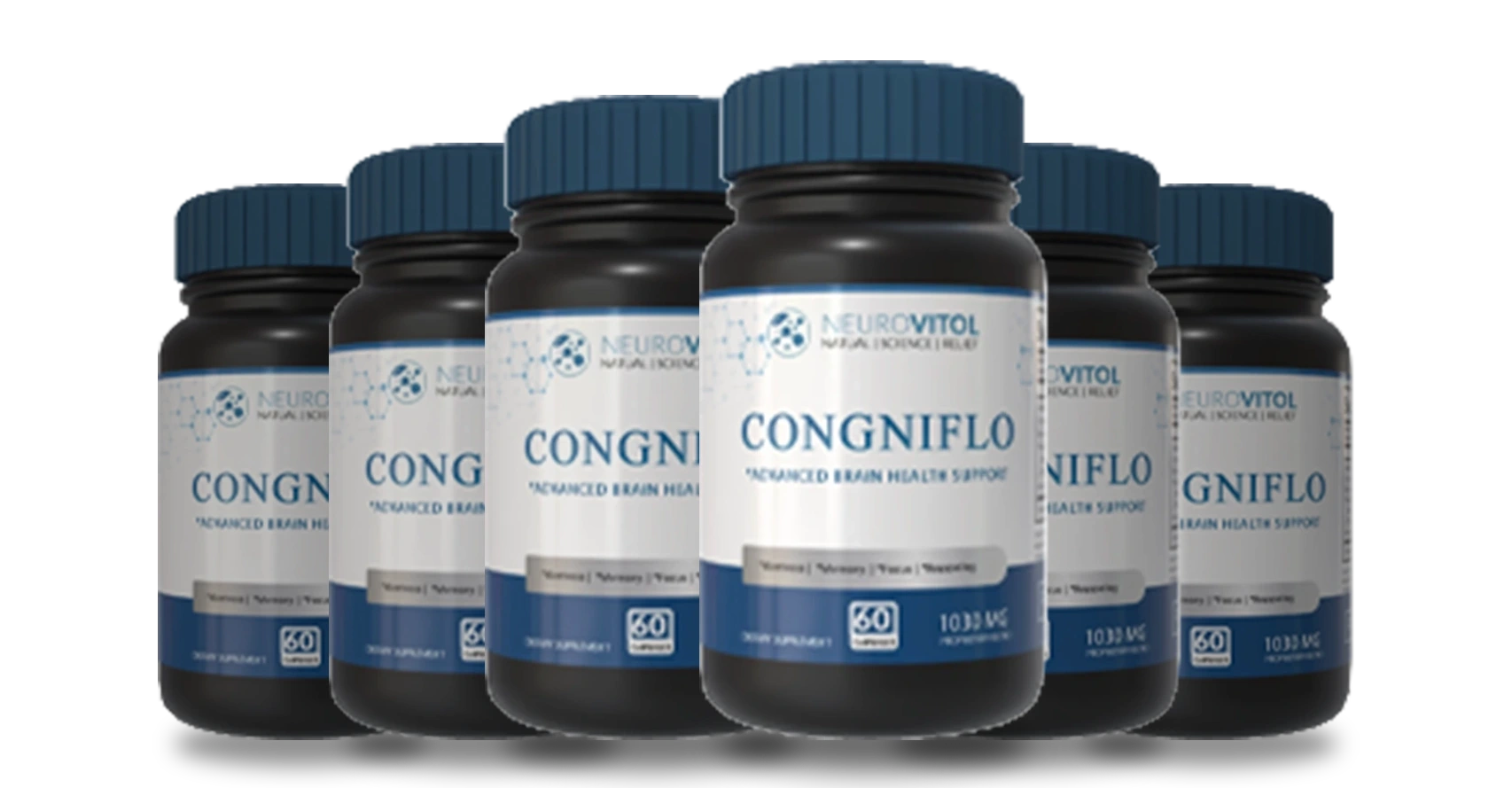
Congniflo blends ten nootropic and botanical actives — including L-theanine and adaptogens for calm, steady attention — into one easy daily capsule. Backed by a 60-day money-back guarantee.
See Congniflo PackagesNo supplement can undo the effects of constant switching or a screen-stolen night — the habits above do that work. But a targeted daily nootropic can support the calm, sustained attention that a fragmented, screen-heavy day tends to erode, by supplying nutrients and botanicals traditionally used for focus and mental stamina. L-theanine is especially prized for relaxed, jitter-free concentration, while adaptogens are traditionally used to help the body handle everyday stress. Rather than buying each separately, Congniflo combines ten actives in a single morning capsule. For the complete picture, see our guide to how to support memory, focus and mental clarity naturally, or explore the Congniflo homepage.
The takeaway is empowering rather than alarming: your devices are not stealing your mind. But a few deliberate boundaries — fewer alerts, slower reading, screen-free evenings — hand your focus and memory back to you.
Heavy, fragmented screen use can make it harder to concentrate and to remember, mostly through indirect routes. Constant notifications and rapid task-switching train attention to skip rather than settle, shallow multitasking means information is never encoded deeply enough to recall later, and late-night screens disrupt the sleep your brain relies on to consolidate memory. Screens themselves are not the enemy; how, when and how continuously you use them is what matters.
The most consistent effects are on attention and sleep. Frequent switching between apps and alerts keeps the brain in a shallow, reactive mode that erodes sustained focus, and the mental effort of constant task-switching is tiring. Evening screen use and blue light can delay the release of melatonin and push back sleep, and because deep sleep is when memories are consolidated, poor sleep quietly weakens recall the next day.
Endless scrolling rarely hurts memory directly, but it crowds out the conditions memory needs. Skimming a fast feed means little is encoded deeply, relying on the phone to store everything can reduce the effort we put into remembering, and scrolling late at night steals sleep. Slower, more deliberate reading and giving one thing your full attention help information actually stick.
Turn off non-essential notifications, work in single-tasking blocks without switching apps, take regular screen breaks with the 20-20-20 rule for your eyes, and stop screens an hour before bed to protect sleep. Building in daily movement, time outdoors, hydration and stress management all rebuild the attention and memory that heavy screen use wears down.
Blue light itself is not toxic to the brain, but exposure in the evening can suppress melatonin and delay sleep, and it is disrupted sleep that most affects next-day focus and memory. Dimming screens at night, using night settings and, above all, stopping screen use before bed reduce that knock-on effect far more than any single filter.
The Congniflo Research Team is an independent group of nutrition and brain-health writers who translate peer-reviewed research and public-health guidance into plain, practical advice. We cite our sources, avoid hype, and never make disease claims. Our goal is to help you make calm, informed choices about supporting your mind every day. This article is educational and is not a substitute for personalised medical advice.
† These statements have not been evaluated by the FDA. This product is not intended to diagnose, treat, cure or prevent any disease. This article is for general information only and is not medical advice.