
Home › Blog › How Stress Affects Memory and Mental Clarity
Causes & Lifestyle| The link | How stress affects memory comes down to cortisol — short bursts sharpen you, but constant stress clouds recall and focus. |
| The result | Chronic stress crowds working memory with worry and disrupts sleep, producing forgetfulness and fog. |
| The habit | Lower daily stress with movement, breathing and rest; support the mind with adaptogenic botanicals. |

You know the feeling: a deadline looms, the inbox will not stop, and suddenly you cannot remember why you walked into the kitchen or where you left your keys. Stress and a scattered mind travel together, and that is no coincidence. Understanding how stress affects memory and mental clarity explains one of the most common and frustrating everyday experiences — and, better still, points to simple daily routines that help calm it.
Stress itself is not the enemy. It is a normal, even useful, response. The trouble begins when the stress response never switches off — when a system built for short emergencies is left running all day, every day. That is when thinking starts to suffer.
When your brain perceives a challenge, it triggers a cascade of stress hormones, chief among them cortisol and adrenaline. Heart rate rises, senses sharpen, and energy floods to the muscles. In a genuine short-term emergency this is brilliant: it can even lock a vivid memory of the event in place. The system is designed to spike and then settle. Problems arise only when it never gets the chance to settle.
The brain regions you rely on most for learning and recall are also among the most sensitive to prolonged cortisol exposure. When stress becomes a constant background hum rather than an occasional spike, several things happen at once.
Consolidating new information depends on brain structures that do not work as well when cortisol stays high. So during a stressful stretch, facts and names you would normally absorb effortlessly simply do not stick as well.
Ever gone blank in a high-pressure moment — a name, a fact, a line you knew perfectly a minute before? Acute stress can temporarily block retrieval, which is why performance anxiety can feel like your memory has abandoned you exactly when you need it.
Working memory — the mental scratchpad you use to hold a phone number or follow a set of instructions — has limited space. Chronic stress fills much of it with rumination and threat-scanning, leaving little room for the task in front of you. That is a large part of why a stressed mind feels foggy and forgetful, a theme we cover from another angle in what causes brain fog and how to clear it naturally.
Stress and sleep form a vicious circle: worry keeps you awake, and poor sleep makes you less able to cope, which raises stress further. Because sleep is when memories are filed, this loop hits recall especially hard — see how sleep affects memory and concentration for the full picture.
Because forgetfulness has many possible causes, it helps to notice the pattern. Stress-related memory slips tend to share a few tell-tale features. They often track with your workload — worst during a crunch and better on a quiet weekend or holiday. They usually come packaged with other stress signals: a racing mind at bedtime, a shorter fuse, tense shoulders, or a stomach that knots before the day begins. And they are frequently state-dependent — the information is still there, it just refuses to surface under pressure and reappears the moment you relax.
Contrast that with slips that arrive regardless of your stress levels, worsen steadily over months, or interfere with everyday independence. Those deserve a professional assessment rather than a breathing exercise. The point is not to self-diagnose but to read your own signals: if your memory reliably clears when the pressure lifts, stress is very likely a big part of the story — and that is genuinely good news, because everyday stress is one of the most manageable causes on this list.
The reassuring news is that the brain is adaptable, and easing chronic stress tends to restore mental clarity. You do not need a retreat in the mountains — small, repeatable daily habits do most of the work.
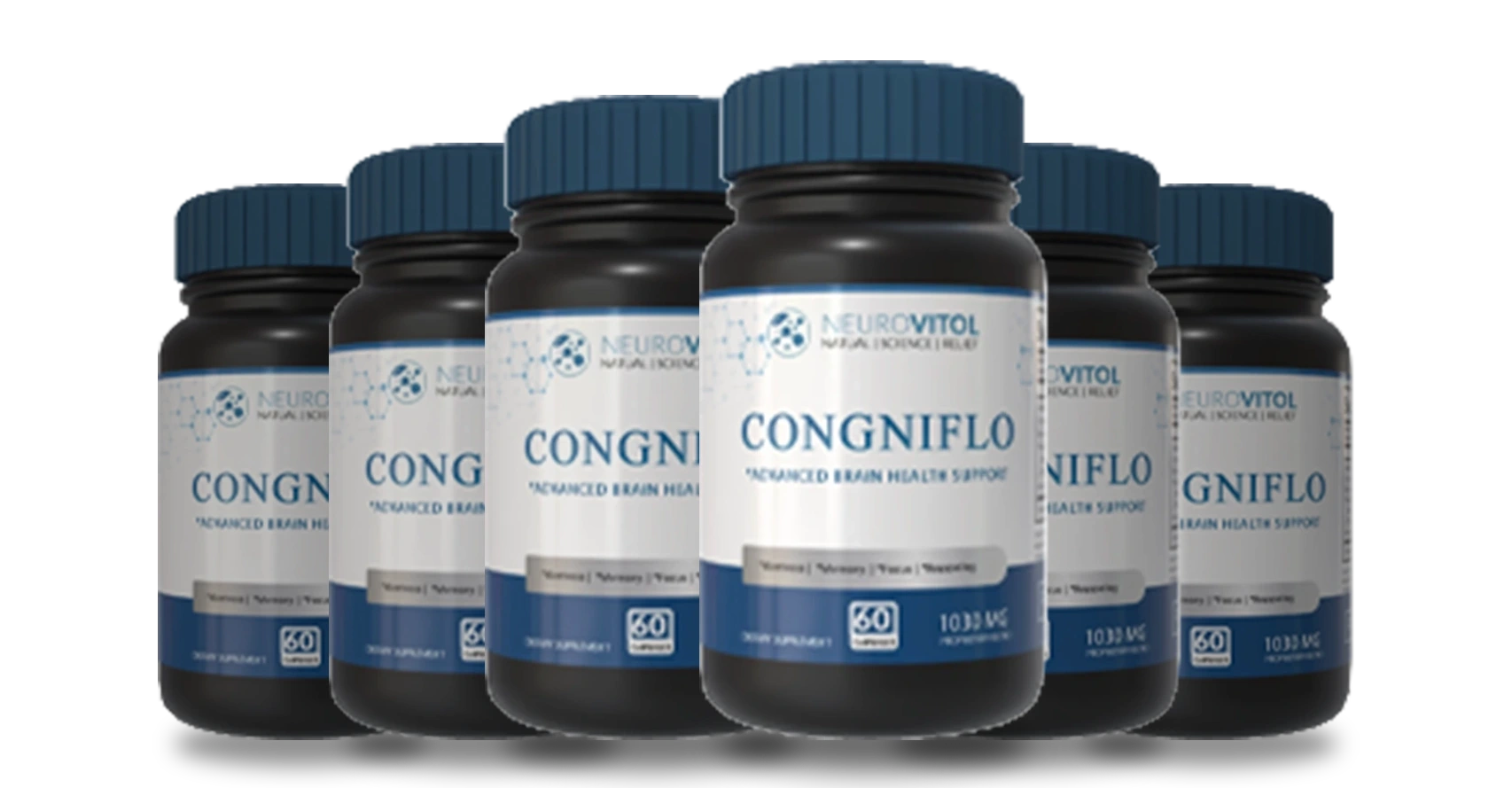
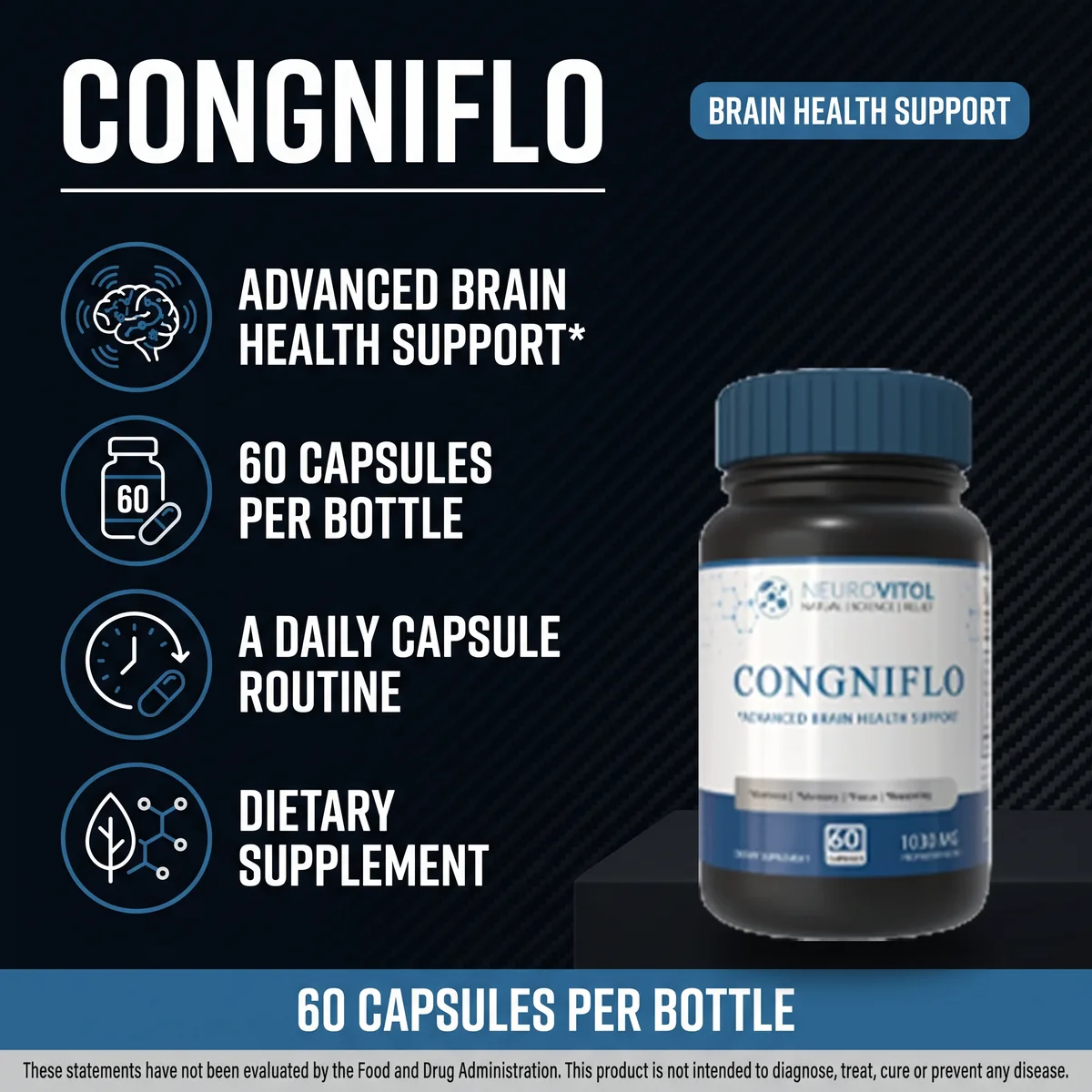
Congniflo combines ten nootropic and botanical actives — including adaptogens like Rhodiola and Panax ginseng traditionally used for stress resilience — in one daily capsule. Backed by a 60-day money-back guarantee.
See Congniflo Packages
Habits come first — nothing supports a stressed mind like movement, rest and connection. Alongside them, a category of botanicals called adaptogens has a long traditional history of use for helping the mind resist everyday stress and fatigue while supporting alertness. Rhodiola rosea and Panax ginseng are two of the best known. Rather than sourcing each separately, many people prefer a single formula that combines adaptogens with memory-supporting botanicals and nutrients — the thinking behind Congniflo, which packs ten actives into one daily capsule. For the wider strategy, our guide on how to support memory, focus and mental clarity naturally brings the habits and nutrients together.
A final, important note: everyday stress is normal and manageable, but persistent stress, anxiety or low mood that interferes with your life deserves proper support. If that is you, please speak with a healthcare professional — this article is background, not treatment.
Short bursts of stress can sharpen focus, but sustained stress keeps the hormone cortisol elevated, and the brain regions most involved in forming and retrieving memories are highly sensitive to it. Chronic stress makes it harder to lay down new memories and to recall existing ones, and it fills working memory with worry, leaving less room for the task in front of you.
Under chronic stress the brain prioritises threat-scanning over careful thinking, attention narrows and scatters, and sleep often suffers — which compounds the problem. Together these effects produce forgetfulness, difficulty concentrating and the cloudy feeling many people call brain fog.
Yes. Regular movement, slow breathing, time outdoors, good sleep and social connection all help lower background stress, and mental clarity tends to return as they do. Adaptogenic botanicals such as Rhodiola and ginseng are also traditionally used to help the mind resist everyday stress and fatigue.
Adaptogens are botanicals — such as Rhodiola rosea and Panax ginseng — traditionally used to help the body and mind cope with everyday stress while supporting alertness and stamina. They are best seen as one supportive layer on top of stress-lowering habits, not a replacement for them.
The Congniflo Research Team is an independent group of nutrition and brain-health writers who turn peer-reviewed research and public-health guidance into clear, practical advice. We cite our sources, avoid hype, and never make disease claims. Our aim is to help you make calm, informed choices about supporting your mind every day. This article is educational and is not a substitute for personalised medical advice.
† These statements have not been evaluated by the FDA. This product is not intended to diagnose, treat, cure or prevent any disease. This article is for general information only and is not medical advice.