
Home › Blog › How Exercise Improves Memory and Focus
Lifestyle & Habits| Why it works | Exercise boosts blood flow to the brain and releases BDNF, a protein that helps brain cells grow and connect. |
| How much | Around 150 minutes of moderate activity a week — but going from nothing to a daily walk gives the biggest jump. |
| The bonus | A single moderate workout can sharpen focus for the next couple of hours — great before deep work. |

If someone bottled the effects of regular exercise on the brain and sold it as a pill, it would be the most talked-about nootropic on the planet. Movement is that good for the mind. Understanding how exercise improves memory and focus makes it far easier to stay motivated on the mornings you would rather not lace up — because you are not just training your body, you are directly feeding your brain. This guide explains the mechanisms in plain English, tells you how much you actually need, and gives you simple routines you can start today.
The headline is simple and encouraging: you do not need to become an athlete. Much of the benefit comes from going from doing nothing to doing something, and a daily brisk walk genuinely counts. The brain rewards consistency far more than intensity.
Movement changes the brain in several complementary ways. No single one is magic; together they add up to a real, measurable edge.
When you move, your heart pumps harder and blood flow to the brain rises. The brain is an energy-hungry organ that runs on a steady supply of oxygen and glucose, and better circulation delivers more of both. That improved supply is part of why a walk can lift a foggy head almost immediately.
Aerobic exercise prompts the release of brain-derived neurotrophic factor, or BDNF, a protein researchers sometimes describe as fertiliser for the brain. BDNF supports the growth, survival and connection of neurons, particularly in the hippocampus — the memory-forming region. Over weeks and months, this is a key reason regular movement is associated with better memory and healthier brain aging.
Exercise is one of the most reliable ways to bring down stress hormones and lift mood. Since chronic stress crowds out attention and interferes with memory, easing it frees up mental bandwidth. If stress is a big part of your picture, pair this article with our guide on how stress affects memory and mental clarity.
People who move regularly tend to fall asleep faster and sleep more deeply — and since sleep is when the brain consolidates memories, that is a second, indirect boost to recall. It is a virtuous circle: exercise improves sleep, and better sleep sharpens the mind. Our guide to how sleep affects memory and concentration explains the overnight filing job in detail.

Widely used public-health guidance points to roughly 150 minutes of moderate-intensity activity per week — that is about 30 minutes on five days — along with a couple of muscle-strengthening sessions. Moderate intensity means you are breathing a little harder and could talk but not comfortably sing.
That target is worth aiming for, but do not let it become a barrier. Research consistently shows the steepest gains come from moving from complete inactivity to doing a little. In other words, the walk you actually take beats the perfect gym plan you skip. Start where you are and build.
Aerobic activity that raises your heart rate has the strongest evidence for memory and focus: brisk walking, jogging, cycling, swimming, and dancing all qualify. Strength training adds its own benefits for brain aging, and activities that demand coordination or learning — a racket sport, a dance class — give the brain an extra workout by combining movement with skill. The honest answer to “which is best?” is the one you will keep doing.
You do not need a complicated plan. Try one or two of these and let them become automatic before adding more.
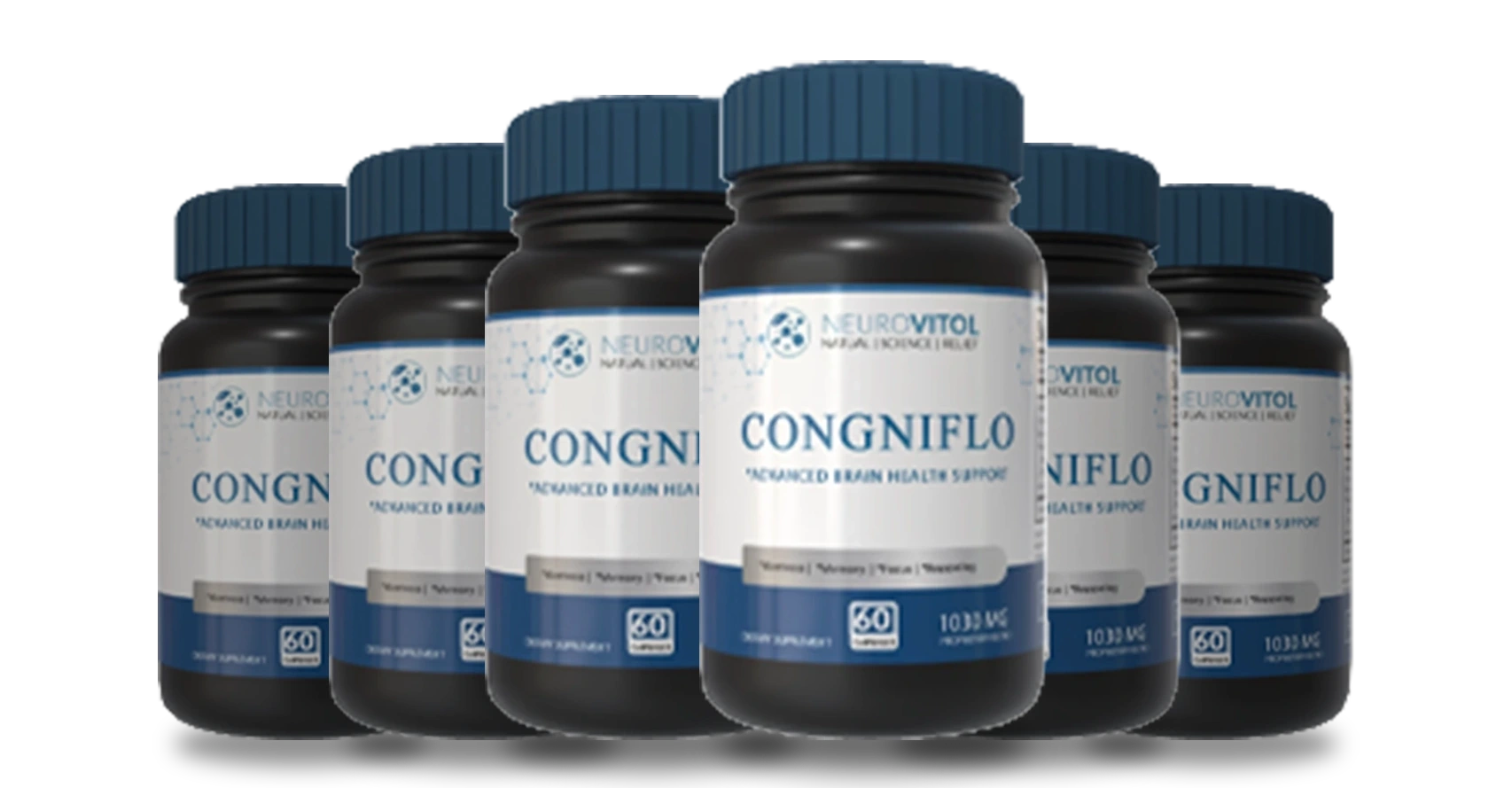
Congniflo pairs neatly with an active routine: ten nootropic and botanical actives — including Bacopa, Lion’s Mane, Ginkgo and vitamin B12 — in one easy daily capsule to help cover the nutrient gaps a busy, moving lifestyle can leave. Backed by a 60-day money-back guarantee.
See Congniflo Packages
Exercise is the foundation — no supplement replaces the blood flow, BDNF and mood lift you get from moving your body. But a targeted daily nootropic can sit alongside an active routine to help cover the recurring nutrient gaps that support brain function, from B12 to botanicals traditionally used for memory and circulation. That is the idea behind Congniflo: ten well-chosen actives in a single daily capsule, so a healthy routine has fewer gaps to fall through. For the full lifestyle picture, see our overview on how to support memory, focus and mental clarity naturally.
As with training itself, consistency wins. Give any new habit — a daily walk, a supplement, an earlier bedtime — a fair trial of several weeks, and judge it by how steady and sharp your thinking feels over time.
Movement raises blood flow to the brain, delivering more oxygen and glucose, and it prompts the release of brain-derived neurotrophic factor (BDNF), a protein that supports the growth and survival of brain cells. Exercise also lowers stress hormones and lifts mood, both of which free up attention. Together these effects make it easier to concentrate in the short term and support memory over the long term.
Public-health guidance suggests about 150 minutes of moderate activity a week — roughly 30 minutes on most days — plus a couple of muscle-strengthening sessions. But the biggest jump in benefit comes from going from nothing to something, so even a daily brisk walk counts and is a genuinely good place to start.
Aerobic activity that raises your heart rate — brisk walking, cycling, swimming, dancing — has the strongest evidence for memory and focus. Strength training and coordination-based activities add further benefits. The best type, in practice, is the one you enjoy enough to do consistently.
Yes. A single bout of moderate exercise can sharpen attention and processing speed for a couple of hours afterwards, which is why a short walk before focused work often pays off. The lasting memory benefits, though, come from doing it regularly over weeks and months.
A daily nootropic is designed to complement healthy habits, not replace them. Regular movement, good sleep and balanced meals do the heavy lifting; a well-chosen supplement can help cover common nutrient gaps on top. As always, check with your healthcare provider before adding a supplement, especially if you take medication or have a health condition.
The Congniflo Research Team is an independent group of nutrition and brain-health writers who translate peer-reviewed research and public-health guidance into plain, practical advice. We read the source material, cite it, and keep our articles free of hype and disease claims. Our aim is simple: help you make calm, informed choices about supporting your mind every day. This article is educational and is not a substitute for personalised medical advice.
† These statements have not been evaluated by the FDA. This product is not intended to diagnose, treat, cure or prevent any disease. This article is for general information only and is not medical advice.