
Home › Blog › Does Dehydration Affect Memory and Concentration?
Causes & Lifestyle| The answer | Yes — dehydration affects memory and concentration directly, and it starts at fluid losses too small to trigger real thirst. |
| Why | The brain is about 75% water; even mild shortfalls slow reaction time, dull recall and make focus feel like wading through treacle. |
| The habit | Sip steadily through the day, aim for pale-straw urine, and pair good hydration with sleep, food and a daily nootropic. |

It is one of the most overlooked reasons a sharp mind turns sluggish. You have slept enough, you are not especially stressed, and yet by mid-morning the words are not coming and simple tasks feel oddly heavy. Before you reach for another coffee, ask a simpler question: when did you last have a glass of water? The research is surprisingly firm on this point, so let us answer the question directly — does dehydration affect memory and concentration? Yes, and more than most people realise. This guide explains what is happening in a thirsty brain, how to spot the early signs, how much fluid you actually need, and the daily habits that keep your thinking clear.
Water is the least glamorous item in any brain-health toolkit and quietly one of the most important. It costs nothing, works within the hour, and is the first thing worth checking whenever focus falls off a cliff for no obvious reason.
Your brain is roughly three-quarters water, and it depends on a stable fluid balance to do almost everything. Water carries nutrients to brain cells, flushes out waste, keeps the electrical signalling between neurons running cleanly, and helps regulate temperature. When your total body water drops, blood volume falls slightly and the brain has to work a little harder to keep itself supplied. That extra effort shows up as exactly the symptoms you would expect: slower thinking, patchier attention and a mind that tires quickly.
Crucially, the brain notices the shortfall early. This is not something that only matters when you are gasping in the desert. The point at which mental performance starts to dip is far closer to everyday life than the word “dehydration” suggests.
Studies that carefully dry out healthy volunteers — through exercise, heat or simply skipping fluids — find that losing just one to two per cent of body water is enough to measurably impair concentration, short-term memory, reaction time and mood. For an average adult that is barely a couple of glasses’ worth of fluid. You can cross that line on a busy day at a desk without ever registering strong thirst, which is precisely what makes mild dehydration such a common, invisible drag on focus.
The effect of dehydration on memory and concentration is not vague malaise; it breaks down into a few specific, recognisable problems.
The most reliably affected ability is sustained attention — holding focus on one task without drifting. A mildly dehydrated brain is more easily distracted, makes more careless slips, and finds monotonous work (reading, driving, checking figures) noticeably harder. This is one of the quiet culprits behind the mid-afternoon slump we unpack in why do I lose focus in the afternoon.
Working memory — the mental notepad you use to hold a phone number, follow instructions or keep your place in a task — is sensitive to hydration. When it falters you lose your thread more often, walk into rooms and forget why, and have to reread the same sentence twice.
Reaction time and processing speed both dip, so tasks that should be quick feel effortful. Combined with the low mood and irritability that often accompany dehydration, the overall experience is indistinguishable from a bout of brain fog — which is why hydration features in our guide to what causes brain fog and how to clear it naturally.
A dull, pressing headache is one of the classic signs of not drinking enough, and it makes concentration harder still. Add the general tiredness that dehydration brings and you have a mind that simply does not want to engage.
Because the mental effects arrive before dramatic physical ones, it pays to know the subtle tells. Watch for:
Notice what is missing from the top of that list: raging thirst. Thirst is a lagging indicator — by the time it is loud, you are usually already a little behind. Treating the mental signs as your cue to drink, rather than waiting for a dry throat, keeps you ahead of the curve.
Forget rigid one-size-fits-all rules. General guidance for most adults is around six to eight cups — roughly 1.5 to 2 litres — of fluid a day, but your real needs shift with the weather, your activity, your body size and whether you are unwell. Hot days, exercise, altitude, air-conditioned offices and a salty diet all push the number up.
Two reassuring facts make this easier than it sounds. First, all fluids count — water, milk, tea, coffee, herbal infusions and the water in fruit, vegetables and soups all contribute. Second, your body gives you a free, personal dashboard: urine colour. Pale straw means you are on track; dark yellow means top up. That one habit — glancing and adjusting — is more useful than counting glasses.
This myth refuses to die. Caffeine is a mild diuretic, but the fluid in a normal cup of tea or coffee comfortably outweighs the small amount it makes you pass, so your morning brew is a net positive for hydration. The genuine culprits are alcohol and very large caffeine doses, which draw down fluid and, in alcohol’s case, wreck the restorative sleep that keeps your mind clear the next day.
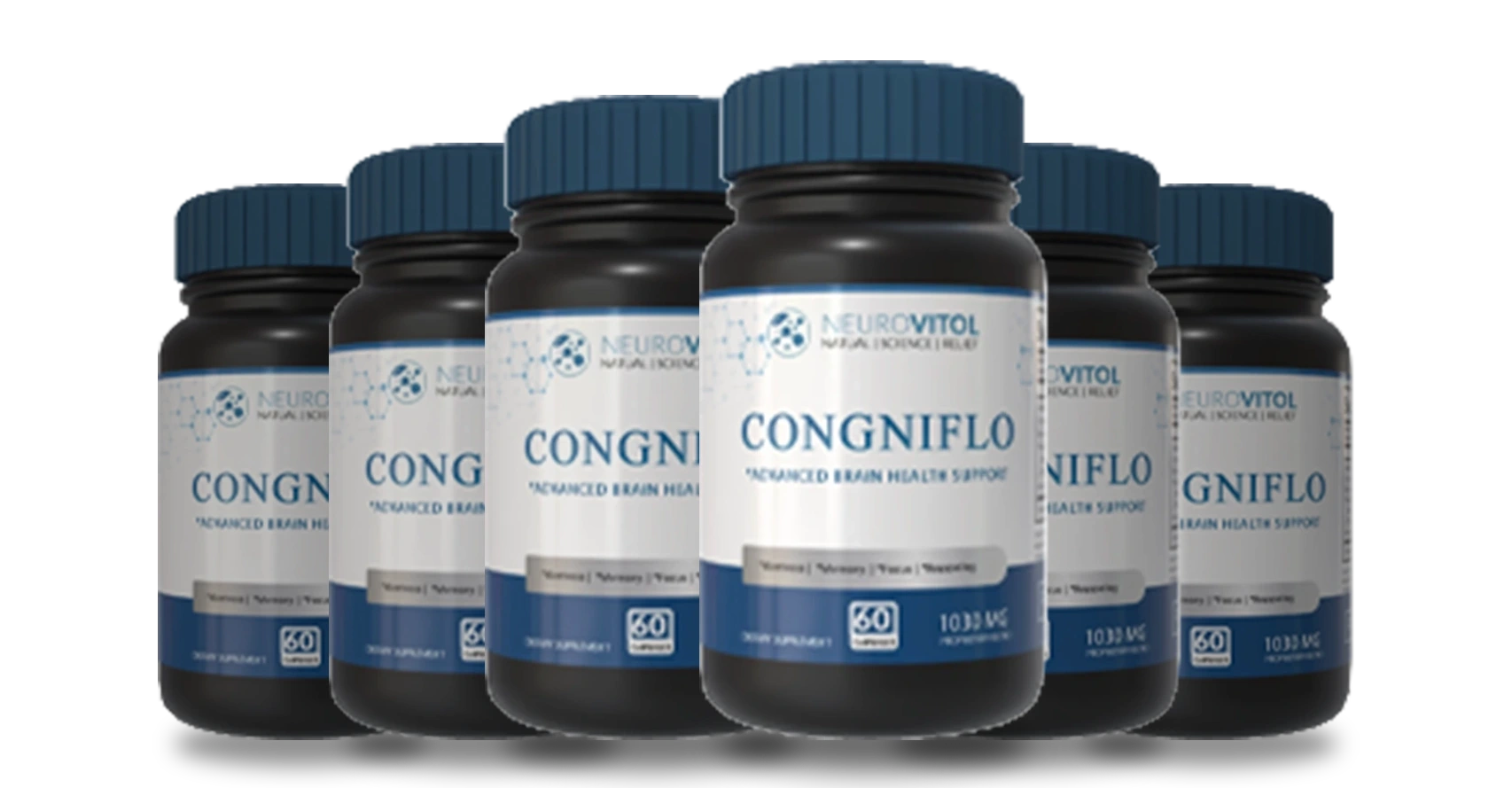
Water sets the stage; the right nutrients help the performance. Once your hydration is steady, Congniflo adds ten nootropic and botanical actives in one daily capsule to support everyday memory, focus and mental clarity — backed by a 60-day money-back guarantee.
See Congniflo PackagesGood hydration is a rhythm, not a rescue. A few small routines keep you topped up without thinking about it.
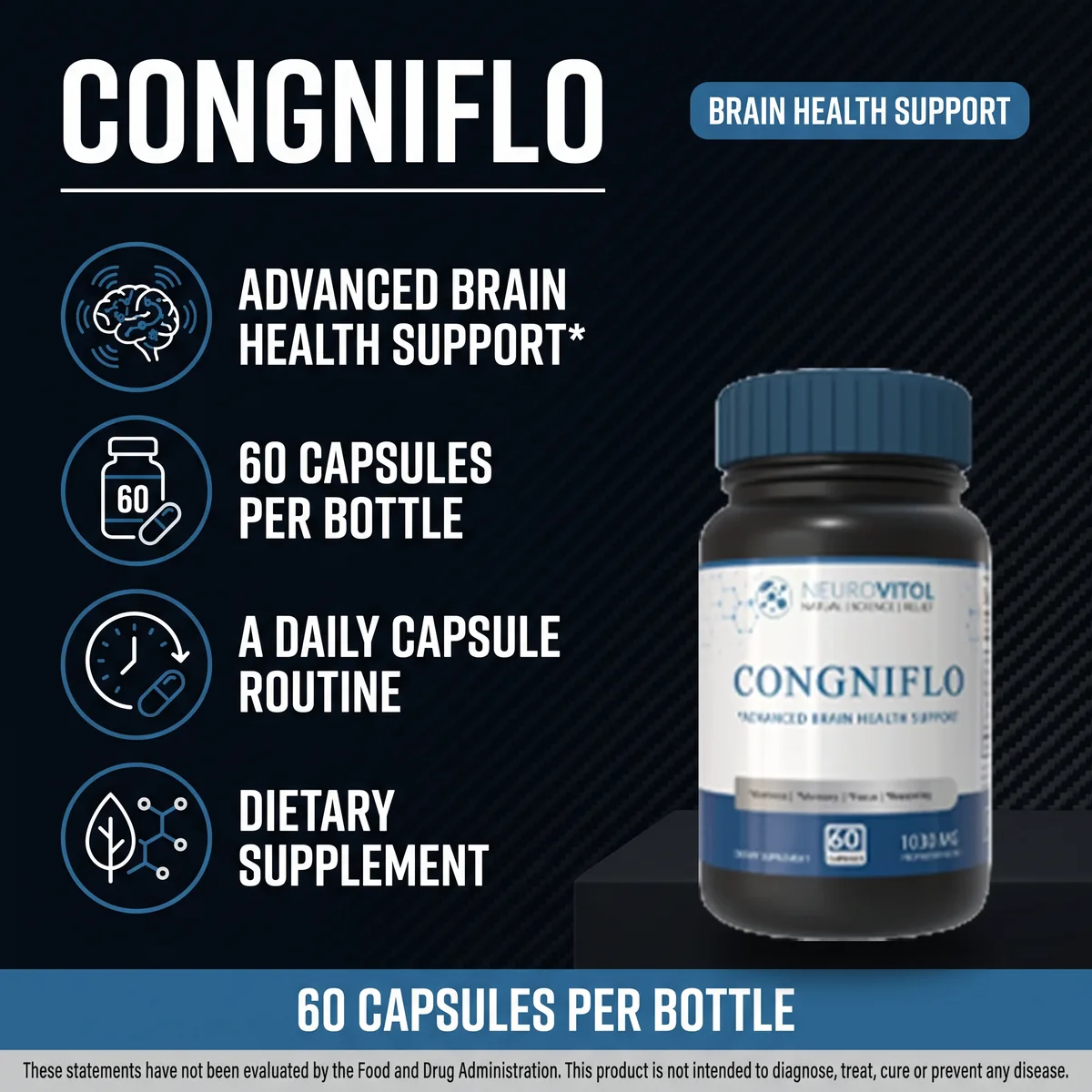
Let us keep first things first: no capsule substitutes for a glass of water. If dehydration is dulling your focus, drinking is the fix, and it is free. But hydration is one lever among several — sleep, movement, blood sugar and nutrition all matter too, and the effects stack. Once the basics are in place, a targeted daily nootropic can help support the mechanisms behind memory and mental stamina, supplying nutrients like B12 and traditional botanicals in one convenient capsule. That is the thinking behind Congniflo: ten well-chosen actives so the routine is easy to keep. For the bigger picture, see our overview of how to support memory, focus and mental clarity naturally.
Finally, a note on balance: more water is not automatically better. Drinking to genuine excess in a short time can dangerously dilute the body’s sodium, and it offers a well-hydrated brain no bonus. The goal is steady, everyday hydration — not heroic gulping. If you drink well, rarely feel thirsty and still struggle with persistent fog or forgetfulness, that is worth raising with a healthcare professional, as it may point to another cause.
Yes. The brain is roughly three-quarters water, and studies show that losing even one to two per cent of your body’s water — a level you can reach without feeling especially thirsty — is enough to blunt short-term memory, slow reaction time and make sustained concentration harder. Rehydrating usually reverses the effect within an hour or so.
The mental signs often show up before obvious thirst: trouble focusing, a dull headache, low mood or irritability, slower thinking, mid-afternoon fog and tiredness that coffee does not fix. Dark yellow urine and a dry mouth are useful physical cues. Because thirst lags behind actual fluid loss, waiting until you feel thirsty means you are usually already mildly dehydrated.
General guidance is around six to eight cups (about 1.5 to 2 litres) of fluid a day for most adults, more in heat, at altitude, when exercising or when unwell. Food, tea, coffee and milk all count. The simplest personal gauge is your urine: pale straw colour usually means you are well hydrated, dark yellow means drink more.
If you were mildly dehydrated, restoring good hydration reliably sharpens attention, reaction time and mood back to your normal baseline. Water cannot push a well-hydrated brain above its natural ceiling, so drinking to excess offers no bonus and can be harmful. Steady, everyday hydration is the goal, not occasional large amounts.
Only very mildly. Caffeine has a small diuretic effect, but the fluid in a normal cup of tea or coffee more than makes up for it, so both count toward your daily intake. Very large amounts of caffeine, or alcohol, are more dehydrating and can disrupt sleep, which compounds any next-day fog.
The Congniflo Research Team is an independent group of nutrition and brain-health writers who translate peer-reviewed research and public-health guidance into plain, practical advice. We cite our sources, steer clear of hype, and never make disease claims. Our mission is to help you make calm, informed choices about supporting your mind every day. This article is educational and is not a substitute for personalised medical advice.
† These statements have not been evaluated by the FDA. This product is not intended to diagnose, treat, cure or prevent any disease. This article is for general information only and is not medical advice.